
Eye clinic / patient information
Strabismus
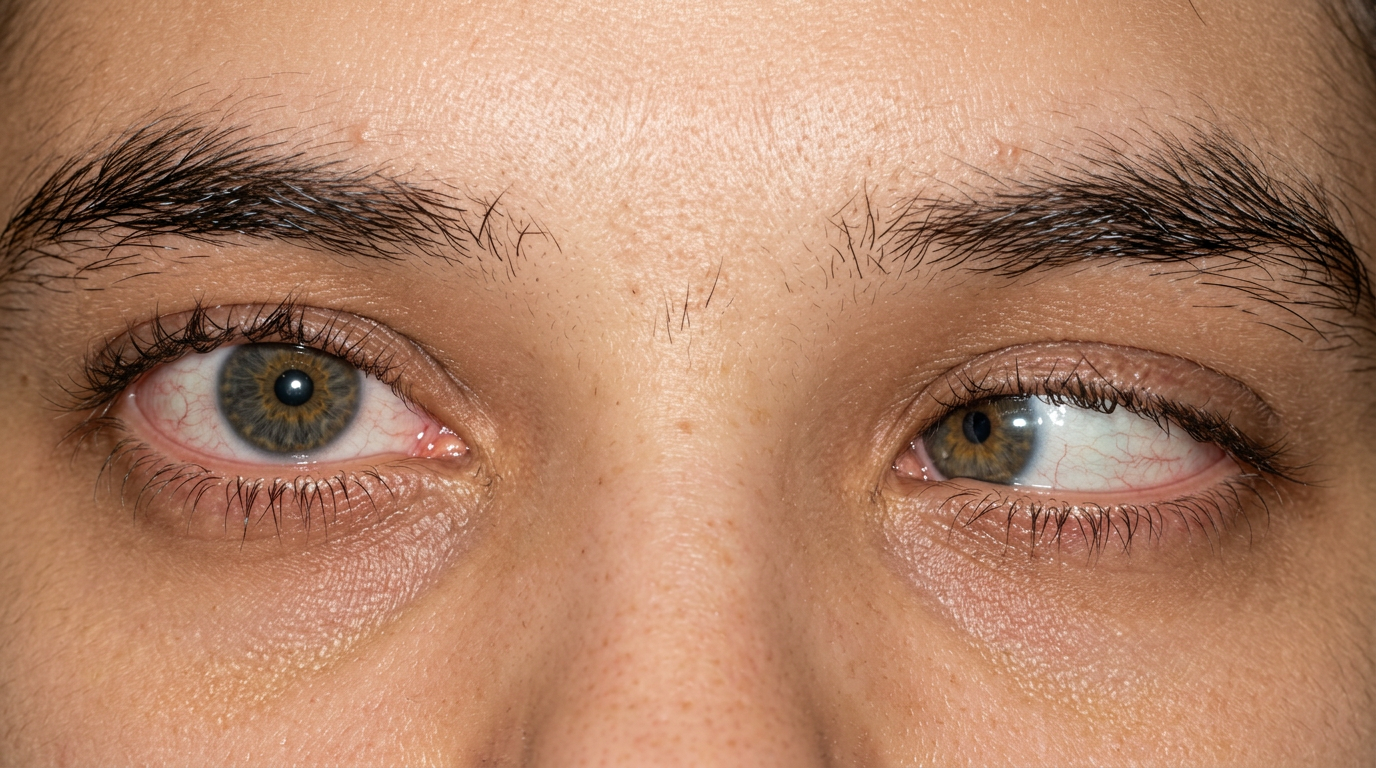
Strabismus (crossed eyes) is a disorder of the position of the eyes in which the eyes do not look at the same point. The types of strabismus, the way the diagnosis is made and the treatment options are explained below.
Why strabismus occurs
Strabismus occurs as a consequence of neurological or anatomical problems, which interfere with the function of the external eye muscles. The eyeballs are no longer in a normal position relative to each other and are „directed“ in different directions.
Types of strabismus
Depending on the direction in which the eye „drifts“, strabismus can be divided into:
- esotropia (deviation of the eye towards the nose)
- exotropia (deviation of the eye away from the nose, that is, to the side)
- hypotropia (deviation of the eye downwards)
- hypertropia (deviation of the eye upwards)
Strabismus can be present permanently or occasionally. It can also be present in only one eye or alternately in both eyes (alternans). It is encountered relatively often in children. It occurs more frequently in children in families where relatives have had some form of strabismus, but it can also occur in children in whose families there was no strabismus.
Strabismus and amblyopia
In order to prevent the appearance of double images, which occur with strabismus, the brain „blocks“ the visual signals from the deviating eye, which leads to amblyopia of that eye. It can also appear in the form of paralytic strabismus in damage to the cranial nerves.
Treatment of strabismus
Non surgical therapy involves optical aids (spectacles/lenses), occlusion, orthoptic exercises. The type of surgical intervention depends on the direction and angle of deviation of the eye. In children, along with surgical treatment, care must always be taken about the prevention and treatment of amblyopia.
Appointments
Not sure which examination you need?
Tell us about your symptoms and our team will help you book the right first step.